Introduction
You wake up, shuffle into the kitchen, and your coffee maker greets you with a gurgle and a sputter — but no coffee. It’s a genuinely terrible way to start a day. And it raises a question most of us never think about until that exact moment: how long is a coffee maker actually supposed to last?
The honest answer might surprise you. Some machines die within two years. Others run faithfully for a decade or more. The difference between those two outcomes isn’t luck — it’s a combination of machine quality, daily habits, and maintenance practices that most people either don’t know about or choose to ignore. Let’s break it all down so you can get the most out of whichever machine is sitting on your counter right now.
Average Lifespan of a Coffee Maker: The Honest Answer
Here’s the baseline. A typical drip coffee maker, used daily and maintained reasonably well, lasts around 5 years. That’s the industry average. But “average” hides a wide range — some machines barely make it to their second birthday, while others built with better components and given proper care cruise well past the 10-year mark.
Think of a coffee maker like a car. A well-maintained vehicle with quality parts outlasts a neglected one every time, even if the neglected car was initially more expensive. Your coffee maker operates the same way. How you treat it daily matters far more than the brand name on the front.
Lifespan by Machine Type
Different brewing methods come with very different longevity expectations. Knowing what to expect from your specific type of machine helps you plan smarter and avoid nasty surprises.
Drip Coffee Makers
Standard drip machines are the most common household coffee maker, and their lifespan reflects their widespread use. A budget drip machine typically lasts 2–5 years. A mid-range to premium drip brewer, properly maintained, can last 7–10 years or longer. The heating element is usually the first component to fail, followed by the pump in models that have one. Daily descaling neglect accelerates both failure points significantly.
Espresso Machines
Espresso machines have more mechanical complexity — pumps, boilers, solenoid valves, steam wands — which means more components that can wear out. However, they’re also often built to higher engineering standards, especially in the mid-to-premium price range. A quality semi-automatic espresso machine maintained with regular cleaning and descaling can realistically last 10–15 years. Some commercial-grade home machines run even longer. The trade-off is that when something does break, repairs are more involved and potentially more costly.
Pod and Capsule Machines
Pod machines like Keurig and Nespresso are engineered primarily for convenience, and that philosophy extends to their construction. Internal needle components, pod puncture mechanisms, and water reservoir seals are all points of failure that tend to show up sooner than on drip machines. Realistically, most pod machines last 3–5 years with regular use. Some users report failures within 18 months; others push their machines well past five years with diligent maintenance. Descaling is especially critical here because the narrow internal tubes in pod machines clog faster than the wider systems in drip brewers.
French Press and Manual Brewers
Here’s where longevity becomes almost comical. A French press has no heating element, no pump, no electronic components, and no moving parts beyond the plunger. A quality stainless steel French press can literally last decades. Pour-over devices like the Chemex or V60 — essentially glass or ceramic vessels — last as long as you don’t drop them. If you want a coffee brewing method that will outlive your appliances, manual brewing wins without contest.
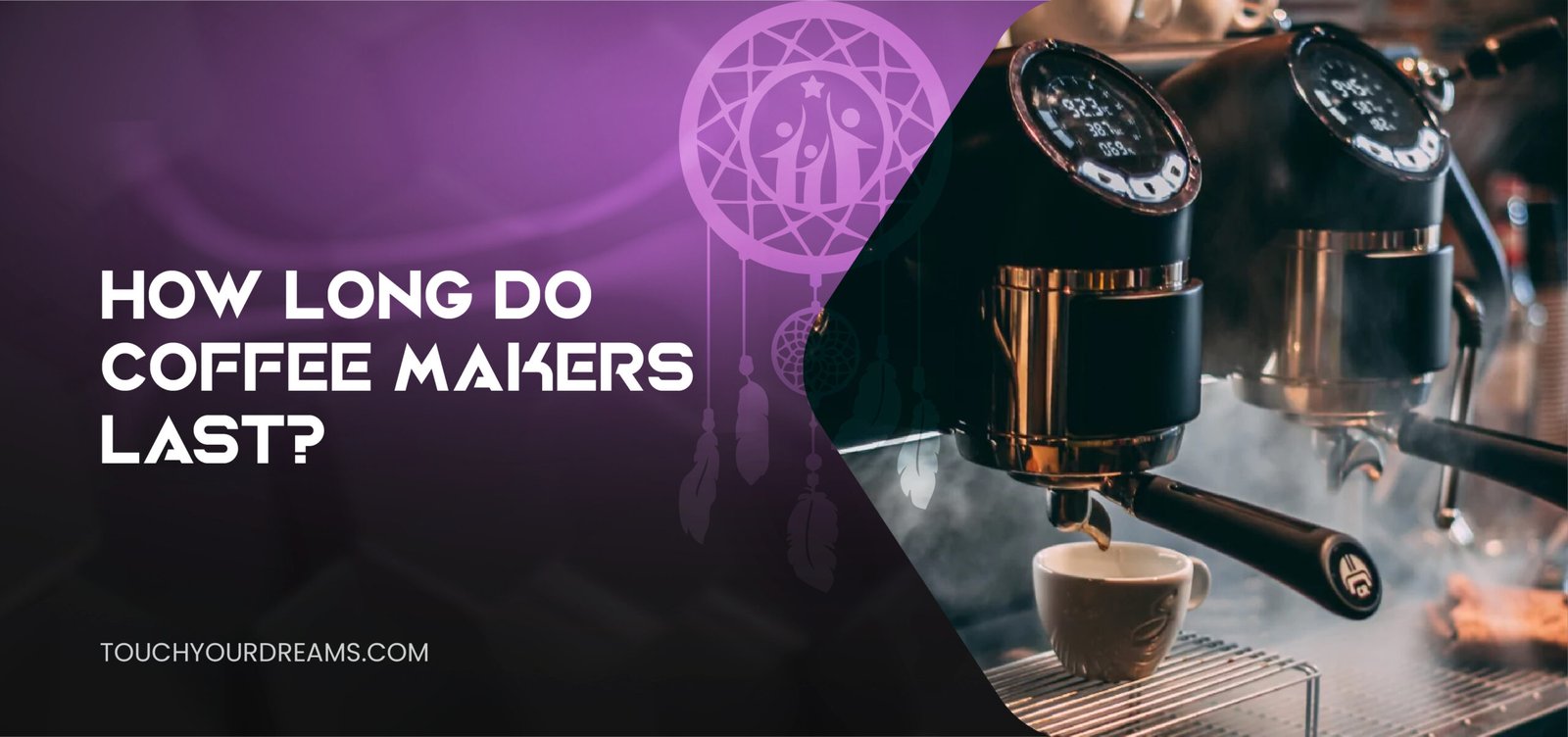
Learn how long coffee makers last and extend your brew’s life with simple maintenance.
Does Price Predict Longevity?
Generally, yes — but with important nuances.
Budget Machines
Machines under $50 are manufactured to hit a price point, which means corners get cut somewhere. Thinner plastic housings, cheaper heating elements, basic seals and gaskets — these components degrade faster under the daily heat and moisture stress of regular brewing. You can absolutely get a few good years out of a budget machine, but its ceiling is lower and its sensitivity to neglect is much higher.
Premium Machines
Higher-end machines use stainless steel boilers instead of aluminum, better-grade pumps, more durable seals, and tighter engineering tolerances throughout. These materials genuinely withstand daily thermal cycling better over time. A $300 machine isn’t just buying you better coffee — it’s buying you more years of reliable performance. That said, premium machines are not immune to early failure if they’re poorly maintained.
The Real Cost of Buying Cheap
Here’s a perspective shift worth considering. If you buy a $40 machine every three years, you spend $133 over a decade. If you buy a $200 machine that lasts ten years, you spend $20 per year. The premium machine costs less annually and delivers better coffee throughout. Cheap machines look like savings upfront but often cost more in the long run — both financially and in terms of inferior coffee every single morning.
The Biggest Killers of Coffee Makers
Most coffee makers don’t die of old age. They die of neglect. Two culprits are responsible for the vast majority of premature machine failures.
Scale and Mineral Buildup
If you live in an area with hard water — and most urban areas have moderately to very hard water — your coffee maker is fighting a slow battle against mineral deposits every single day. When water is heated, dissolved calcium and magnesium minerals precipitate out and cling to internal surfaces. Over time, these deposits form a hard, chalky layer called scale that coats heating elements, clogs water lines, reduces flow rates, and forces your machine to work harder to reach brewing temperature.
Think of scale like cholesterol in arteries. A little buildup is manageable. Years of unchecked accumulation? It restricts flow until the system gives out. The heating element — already the most vulnerable component in most machines — has to work harder and harder against insulating scale deposits until it burns out entirely.
Neglected Cleaning Routines
Beyond scale, the organic residue left by coffee itself causes serious damage over time. Coffee oils are acidic and go rancid within hours of brewing. They coat filter baskets, carafes, and internal surfaces with a dark, bitter film that not only ruins your coffee’s flavor but also creates an environment where mold and bacteria thrive. A machine running through consistently dirty components experiences mechanical stress from residue buildup in valves and tubes — stress that shortens its functional life considerably.
What Happens Inside a Dirty Machine
Most people never see the inside of their coffee maker, which is part of the problem. If you could look inside a machine that’s never been properly cleaned, you’d find brown oil deposits coating the water pathway, mineral-crusted heating elements glowing dull with scale, and potentially mold colonies thriving in the damp, dark reservoir. It’s genuinely unpleasant — and it’s silently shortening your machine’s life while degrading every cup you brew.
How to Make Your Coffee Maker Last Longer
The good news is that extending your coffee maker’s life isn’t complicated. It just requires consistency.
Descale Regularly
Descaling is the single most impactful maintenance task you can perform. Run a descaling solution — either a commercial product or a DIY mixture of equal parts white vinegar and water — through a full brew cycle, followed by two or three plain water cycles to flush residue. How often you need to do this depends on your water hardness: every month in hard water areas, every 2–3 months in softer water regions. Many modern machines have descaling indicator lights that take the guesswork out entirely.
Clean After Every Use
Remove and rinse the filter basket, carafe, and any removable parts after each brew. Most are dishwasher-safe, making this genuinely effortless. Wipe down the exterior and the area under the filter basket where drips collect and dry into stains. This daily two-minute habit prevents the gradual accumulation of oils and residue that quietly degrades your machine’s performance and lifespan.
Use Filtered Water
Filtered water significantly reduces mineral content, which directly slows the rate of scale buildup. A simple countertop pitcher filter or a faucet attachment reduces hardness minerals enough to meaningfully extend the time between descaling sessions — and extend the life of your heating element. This single habit change can add years to a machine’s functional life, and it makes your coffee taste better at the same time. Win-win.
Signs Your Coffee Maker Is Dying
How do you know when your machine is approaching the end of its useful life? Watch for these warning signs. Coffee that suddenly tastes noticeably more bitter or sour despite using the same beans is often a symptom of scale-affected temperature regulation. A machine taking much longer than usual to complete a brew cycle is struggling — usually against mineral buildup in the water line. Unusual noises like grinding, loud rattling, or high-pitched squealing indicate mechanical wear in the pump or heating assembly. Visible leaks, error codes that won’t clear after descaling, and coffee that brews lukewarm rather than hot are all signals that your machine is in decline.
None of these symptoms necessarily means immediate death — some are fixable with thorough cleaning or a descaling treatment — but they’re your machine’s way of asking for attention. Ignore them and the timeline to failure shortens dramatically.
When to Repair vs. Replace
This is the classic dilemma. The general rule of thumb in appliance repair is straightforward: if the repair cost exceeds 50% of the machine’s current replacement value, replacement is usually the smarter financial decision. For a $40 budget machine, that threshold is $20 — almost nothing is worth repairing at that level. For a quality $300 espresso machine, spending $80–$100 on a professional service or replacement part makes complete sense.
Before writing off a machine entirely, check whether replacement parts are available. Many quality brands sell replacement carafes, filter baskets, gaskets, and even heating elements directly. A machine that seems broken might just need a $15 seal replacement. It’s always worth a quick diagnostic check before committing to a new purchase — both for your wallet and for the environment.
Conclusion
Your coffee maker’s lifespan is largely in your hands. The machine type, price tier, and manufacturing quality all set the ceiling — but your daily habits determine whether you reach it. Descale consistently, clean regularly, use filtered water, and pay attention to the early warning signs your machine sends you. Do those things and a quality coffee maker will reward you with years — possibly decades — of reliable, delicious mornings. Neglect them and even the best machine will give up on you far too soon. Treat your coffee maker with the same basic respect you give any tool you depend on daily, and it’ll keep showing up for you every single morning.
Discover the best coffee makers of 2026 for long-lasting, café-quality coffee at home.
FAQs
1. How do I know if my water is hard enough to need frequent descaling?
You can buy inexpensive water hardness test strips online or at hardware stores. Alternatively, if you notice white mineral deposits around your faucets or on your shower glass, your water is likely hard enough to require descaling every 4–6 weeks rather than every 2–3 months.
2. Can descaling actually reverse damage already done to a coffee maker?
Descaling can dissolve and flush out existing mineral deposits, which often restores flow rate and heating efficiency to near-original levels. However, if scale has already caused the heating element to burn out or cracked internal components, descaling won’t reverse that physical damage — it only prevents further buildup going forward.
3. Is it safe to use vinegar to descale a coffee maker?
Yes, white distilled vinegar diluted with equal parts water is an effective and food-safe descaling agent for most machines. However, some manufacturers specifically advise against vinegar and recommend their branded descaling solutions. Always check your machine’s manual before choosing a descaling method to avoid voiding the warranty.
4. Do coffee makers last longer if used less frequently?
Not necessarily. A machine used only occasionally but never cleaned still accumulates stale oil residue and, if hard water was used, mineral deposits in the water reservoir. In some ways, infrequent use combined with no maintenance is harder on machines than daily use with regular cleaning.
5. What brand of coffee maker lasts the longest?
Technivorm (maker of the Moccamaster) is widely regarded as producing some of the most durable drip coffee makers available, with many users reporting 15+ years of reliable performance. Breville and De’Longhi also have strong reputations for longevity in the espresso category. That said, consistent maintenance matters more than brand name when it comes to actual lifespan.