Introduction
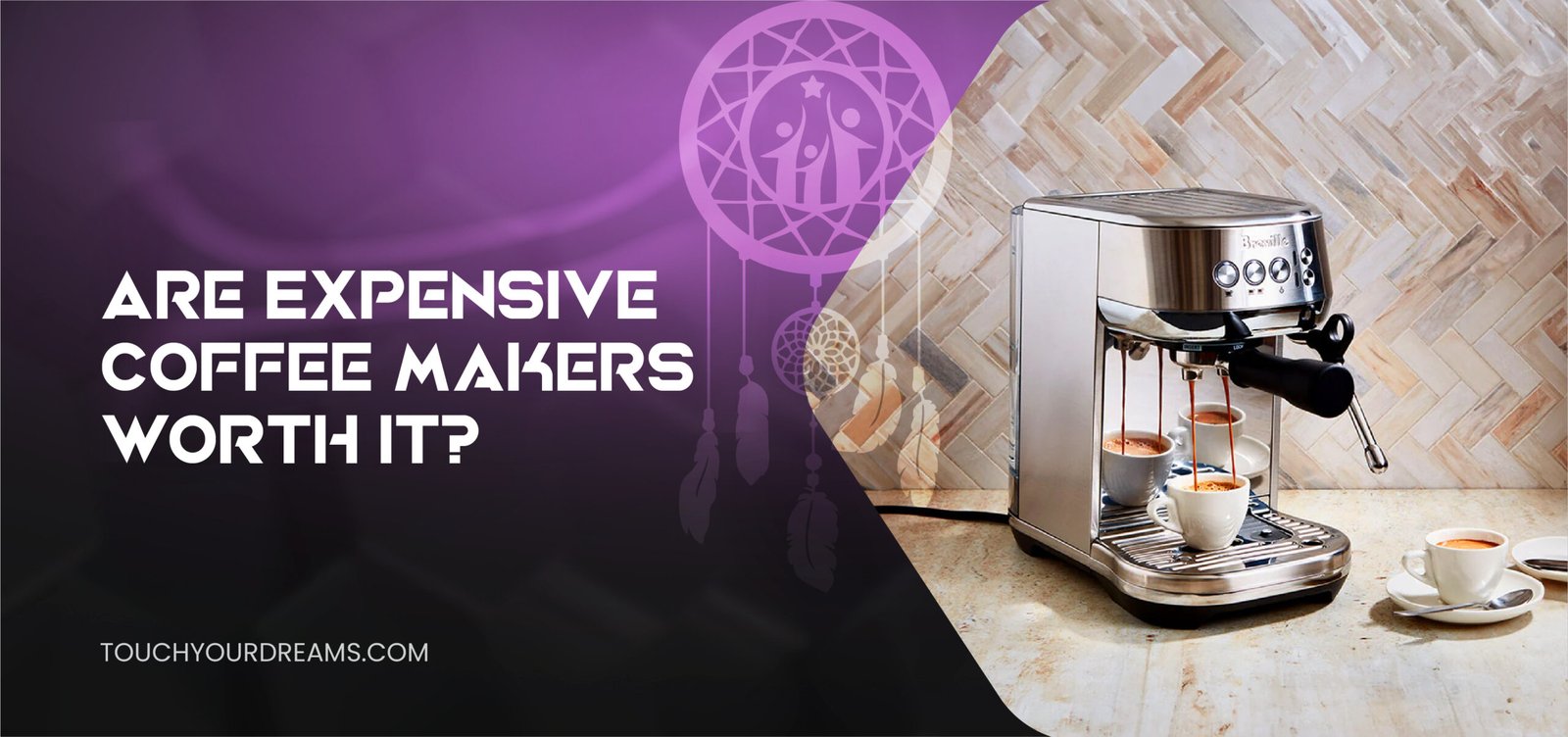
Here’s a question that crosses the mind of every coffee lover at some point: is that $400 coffee maker really that much better than the $45 one sitting next to it on the shelf? They both make coffee. They both plug into the wall. So what exactly are you paying for when you go premium?
It’s a fair question — and the answer isn’t as simple as “yes” or “no.” The truth lives somewhere in the middle, and it depends enormously on who you are, how you drink coffee, and what you actually value in your morning cup. Let’s dig in and figure out whether splurging on an expensive coffee maker is a smart investment or just a very stylish way to waste money.
What Do We Mean by “Expensive”?
Before we go further, let’s define our terms. “Expensive” is relative. For some people, $80 feels like a lot for a coffee maker. For others, they won’t look at anything under $300. For the purpose of this article, we’re treating anything above $150 as the “premium” territory — machines where you’re paying noticeably more than the average consumer model and expecting something meaningful in return.
We’re talking about brands like Breville, Technivorm, De’Longhi, Jura, and OXO Brew. These are machines with reputations, engineering pedigrees, and price tags that make you pause before clicking “add to cart.”
The Case For Spending More on a Coffee Maker
Let’s start with the argument in favor of going premium, because there are genuinely compelling reasons to do so.
Better Build Quality and Longevity
Think about it like this: a cheap coffee maker is built to a price point. Manufacturers cut costs somewhere — thinner plastics, cheaper heating elements, basic components that wear out faster. A premium machine is built to a standard. The materials are sturdier, the internal components are higher grade, and the engineering tolerances are tighter.
A $40 drip machine might last you 2–3 years before it starts underperforming or simply dies. A quality $250 brewer, maintained properly, can run reliably for 8–10 years. When you do the math, the annual cost of the expensive machine is often lower than cycling through cheap ones every few years. It’s the classic “buy once, cry once” principle.
Superior Brewing Technology
Expensive machines don’t just look nicer — they actually brew differently. High-end drip coffee makers circulate water more evenly over the grounds, use pre-infusion cycles to bloom the coffee before full extraction begins, and maintain precise water flow rates. These aren’t marketing buzzwords. They directly impact flavor complexity, aroma, and balance in your cup.
It’s like the difference between a professional chef’s oven and a basic apartment model. Both bake. But one gives you far more control over the outcome, and that control translates to consistently better results.
Temperature Precision Matters More Than You Think
Here’s something most casual coffee drinkers don’t know: the ideal brewing temperature for coffee is between 195°F and 205°F. Drop below that range and you get under-extracted, sour coffee. Exceed it and you get bitter, harsh flavors. Many budget machines heat water to whatever temperature their basic element hits — often well below the ideal range — and never adjust.
Premium machines, by contrast, use PID controllers or advanced thermal systems to hit and hold the exact right temperature throughout the entire brew cycle. That single feature alone is worth a significant portion of the price premium for anyone who cares about cup quality.
Find out if expensive coffee makers are worth it and make smarter brewing choices.
What Cheap Coffee Makers Actually Get Wrong
To understand why expensive machines perform better, you need to understand where budget machines fall short.
The Temperature Problem
We touched on this above, but it deserves its own spotlight. Independent testing of budget coffee makers has repeatedly shown that many brew at temperatures between 170°F and 185°F — sometimes even lower. That’s genuinely too cool for proper extraction. The result? Coffee that tastes thin, acidic, and flat. You might think you don’t like black coffee when really you just haven’t had it brewed correctly.
Inconsistent Extraction
Cheap machines often use a single spray head that dumps water in one spot over the grounds. This creates a phenomenon called “channeling” — where hot water finds the path of least resistance and runs through one section of the coffee bed repeatedly while leaving other areas barely touched. The result is an uneven extraction that produces muddled, inconsistent flavor. Premium machines use shower-head designs with multiple spray points, ensuring even saturation across the entire coffee bed.
Breaking Down the Price Tiers
Not all expensive machines are equal, and not all cheap machines are terrible. Here’s a realistic look at each tier.
Budget Range: Under $50
You get functional coffee. Hot enough to wake you up, consistent enough for a weekday morning. Don’t expect complexity or nuance. These machines are fine for people who treat coffee as pure utility — something to consume, not appreciate. Build quality is modest, and you’ll likely replace it within a few years.
Mid-Range: $50–$200
This is where the value sweet spot lives for most people. In this range, you start getting programmable timers, better thermal carafes, improved showerhead design, and more reliable heating systems. Brands like Cuisinart, Hamilton Beach, and OXO Brew offer genuinely impressive machines in this tier. For the average coffee drinker, this range offers the best return on investment — meaningful quality improvements without a painful price tag.
Premium Range: $200–$500+
Here you’re paying for precision engineering, SCAA certification, stainless steel construction, advanced pre-infusion, integrated grinders, and commercial-grade durability. Machines like the Technivorm Moccamaster ($350) and Breville Precision Brewer ($250) live here. These are genuinely exceptional brewers that produce café-quality results consistently. Beyond $500, you’re typically looking at bean-to-cup super-automatics or prosumer espresso machines — a different category entirely.
The Math: Café Spending vs. Home Brewing
Let’s talk numbers, because this reframes the entire conversation. If you buy one coffee daily at a café, you’re spending roughly $5–$7 per cup. That’s $1,825–$2,555 per year. A $350 premium coffee maker, used at home with quality beans ($0.50 per cup), costs you around $530 in year one — machine included. Year two and beyond? Under $200 annually.
Even if you only partially replace café visits, the math swings heavily in favor of investing in a quality home brewer. The expensive coffee maker isn’t a luxury purchase in that context — it’s a money-saving tool that pays for itself within months.
When an Expensive Coffee Maker Is Absolutely Worth It
There are certain people for whom spending more is a clear, defensible decision. If you drink two or more cups daily, you’ll feel the quality difference every single morning — and that compounding daily pleasure has real value. If you currently spend heavily at coffee shops, the ROI calculation makes premium machines an obvious choice. If you’re a coffee enthusiast who appreciates flavor complexity, fresh beans, and brewing craft, an expensive machine gives you the tools to actually express that passion at home.
Also, if you’re someone who entertains regularly or hosts a household of multiple coffee drinkers, a high-end machine with better capacity, durability, and consistency becomes a practical workhorse, not just a status symbol.
When You Really Don’t Need to Spend More
Here’s the honest counterargument. If you drink one cup in the morning with milk and two sugars, you probably can’t taste the difference between a $50 machine and a $300 one. The milk and sugar are doing most of the flavor work anyway. If you only brew occasionally, a budget machine serves you perfectly well — there’s no point paying premium prices for a machine that sits idle most of the week.
Similarly, if you’re a first-time coffee maker buyer, starting mid-range is smarter than going premium immediately. Learn what you like, understand your habits, then upgrade when you actually know what you’re upgrading toward.
What Features Actually Justify a Higher Price Tag
Not every expensive feature is worth paying for. Here’s what genuinely makes a difference.
Built-In Grinders
A machine that grinds beans immediately before brewing delivers measurably fresher coffee. Coffee begins losing flavor compounds within minutes of grinding, so the built-in grinder advantage is real and significant. However, dedicated standalone burr grinders often perform better than built-in ones at similar price points — so this feature is convenient more than it is the best possible option.
SCAA-Certified Brewers
The Specialty Coffee Association certifies coffee makers that meet specific standards for brewing temperature, extraction time, water saturation, and final cup temperature. This isn’t marketing fluff — it’s a third-party technical validation that the machine actually brews properly.
What SCAA Certification Actually Means
To earn SCAA certification, a machine must brew between 197.6°F and 204.8°F, achieve proper extraction within a specific time window, and deliver the brewed coffee at the right serving temperature. Only a handful of machines on the market carry this certification, and most of them cost $150 or more. If a machine is SCAA-certified, you have objective proof it brews to professional standards — that’s worth a lot.
Real-World Performance: Does Price Equal Taste?
In blind taste tests conducted by coffee publications and enthusiast communities, premium machines consistently outperform budget options — but the gap narrows significantly once you enter the mid-range. A well-made $150 machine with quality fresh beans will beat an expensive machine using stale pre-ground coffee every single time. The machine is only part of the equation.
The variables that affect your cup — bean freshness, grind quality, water quality, and coffee-to-water ratio — matter just as much as the machine itself. An expensive brewer amplifies good ingredients. It can’t rescue bad ones.
The Diminishing Returns Problem
Here’s where we need to be real. The performance jump from a $40 machine to a $150 machine is enormous and genuinely noticeable. The jump from $150 to $300 is meaningful but less dramatic. The jump from $300 to $600? Most people honestly cannot taste the difference in a blind test.
Diminishing returns hit hard above the $300 mark for drip coffee specifically. At that level, you’re paying for premium materials, aesthetics, brand prestige, and marginal engineering refinements. All legitimate, but not transformative for your daily cup. Know where the value cliff is before you spend past it.
Making the Smart Investment
So how do you actually decide? Here’s a practical framework. Start by auditing your coffee habits honestly. How many cups daily? Black or with additions? Do you buy café coffee regularly? How long do you plan to keep the machine?
If you drink two or more black coffees daily and care about flavor, aim for the $150–$300 range. If you mainly use milk and flavored additions, a solid $70–$100 machine is plenty. If you’re a true enthusiast who wants the absolute best drip coffee possible at home, the Technivorm Moccamaster or Breville Precision Brewer are genuinely worth their price tags. And if you’re buying primarily for convenience with no strong flavor preferences, a reliable mid-range pod machine might serve you better than any drip option.
Conclusion
So — are expensive coffee makers worth it? For the right person, absolutely yes. The quality difference is real, the longevity advantage is real, and the long-term cost savings compared to café spending are genuinely compelling. But for the casual drinker who treats coffee as background fuel rather than a daily highlight, a well-chosen mid-range machine is more than adequate. The sweet spot for most people sits between $100 and $250 — where engineering quality meaningfully improves your cup without requiring a second mortgage. Spend smart, buy fresh beans, and your kitchen can produce coffee that rivals your favorite café any day of the week.
Discover the best coffee makers of 2026 for ultimate home brewing and café-quality flavor.
FAQs
1. Does an expensive coffee maker actually taste different?
Yes — particularly if you drink black coffee or lightly sweetened coffee. Better temperature control and water saturation produce more balanced, complex flavors. The difference is most dramatic when comparing budget machines to mid-range or premium ones.
2. What’s the most important feature to look for in a premium coffee maker?
Brewing temperature consistency is arguably the most critical factor. Look for machines that brew between 195°F–205°F and maintain that temperature throughout the cycle. SCAA certification is the easiest shortcut to confirming a machine meets this standard.
3. How long should a premium coffee maker last?
A well-maintained premium machine should last 7–10 years or longer. Regular descaling every 1–3 months, cleaning the carafe daily, and replacing filters as needed will significantly extend its lifespan.
4. Is a $300 coffee maker three times better than a $100 one?
Not linearly, no. The jump in quality isn’t proportional to the jump in price. A $150–$200 machine captures roughly 80–85% of the performance of a $400 machine. Beyond a certain point, you’re paying for materials, aesthetics, and brand rather than dramatically better coffee.
5. Should I buy an expensive coffee maker or an expensive grinder?
If you had to choose one investment, many coffee experts would recommend the grinder. Fresh, consistently ground beans have a massive impact on flavor. A quality $100–$150 burr grinder paired with a decent mid-range brewer often outperforms an expensive machine using pre-ground coffee.