
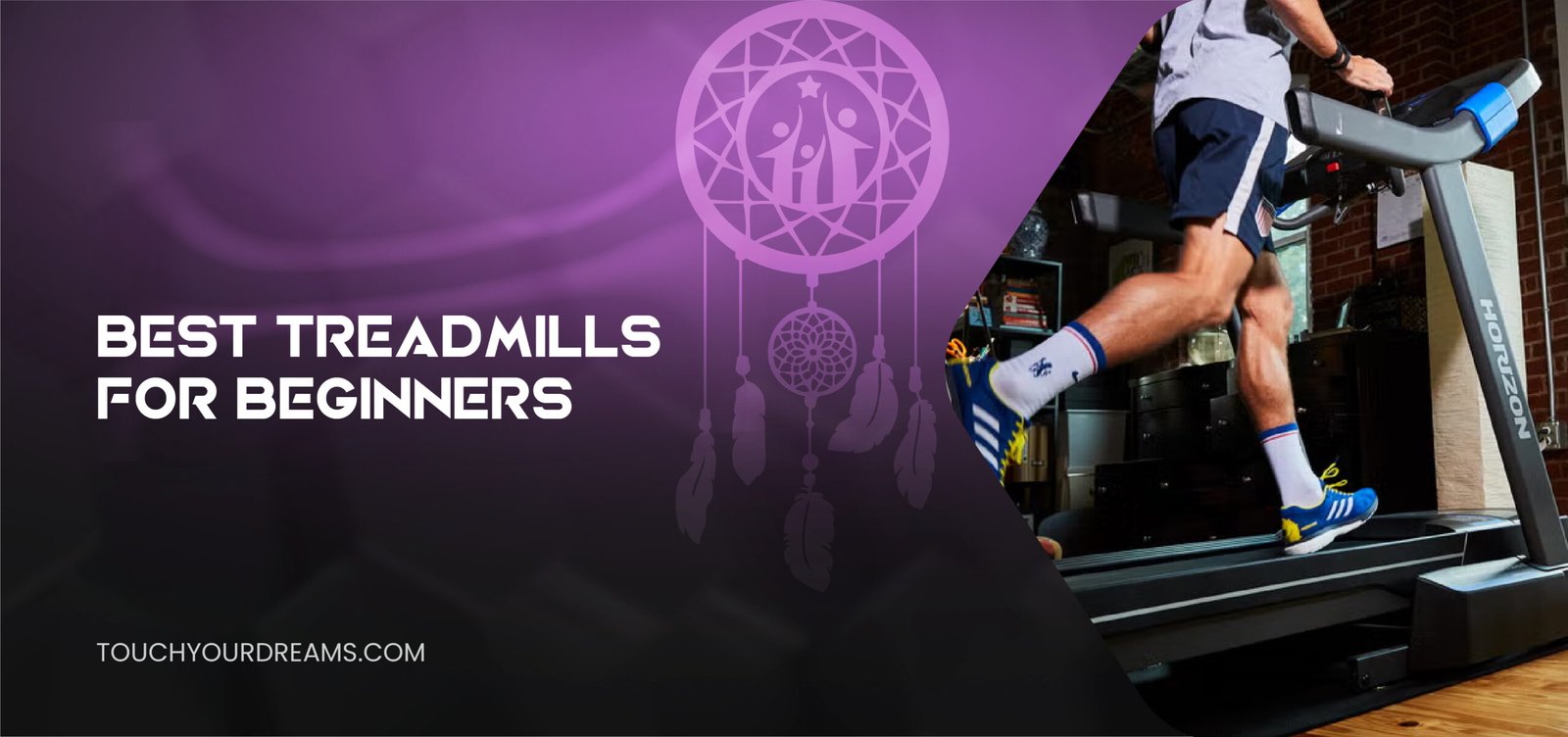
The best treadmill for beginners is one that is:
- Stable and safe
- Easy to use
- Equipped with a 2.5 HP motor
- Comfortable on joints
- Simple in design (no complicated tech required)
Beginners do not need high speeds, large touchscreens, or advanced training programs. The priority should be safety, comfort, and consistency.
Who This Guide Is For
This guide is designed for:
- First-time treadmill buyers
- People starting a weight-loss journey
- Walkers transitioning to light jogging
- Apartment users
- Anyone overwhelmed by treadmill features
If your goal is simply to build a consistent cardio habit, you don’t need a commercial-grade machine.
What Makes a Treadmill Beginner-Friendly?
1. Motor Strength
A 2.5 HP motor is sufficient for:
- Walking
- Light jogging
- Short incline workouts
Beginners rarely need more than this unless planning to run regularly.
Stronger motors (3.0 HP+) are typically designed for heavier training loads.
Start your fitness journey with the right treadmill and check full details in Why the Sole F63 Remains One of the Best Budget Treadmills for Home Workouts for performance and affordability.
2. Stable Frame
Stability reduces injury risk and increases confidence.
Look for:
- Solid steel frame
- Weight capacity above your body weight
- Minimal shaking at 2–4 mph
A stable treadmill feels secure underfoot and encourages proper posture.
3. Cushioning
Joint comfort matters.
A beginner-friendly treadmill should provide:
- Basic shock absorption
- Reduced knee impact compared to pavement
- Firm but supportive surface
Excessively hard decks increase discomfort. Overly soft decks reduce stability
4. Simple Controls
Complicated touchscreens can overwhelm new users.
Ideal beginner consoles include:
- Speed adjustment buttons
- Incline controls
- Clear LCD display
- Preset workout programs
Ease of use encourages consistency.
5. Safety Features
Safety is essential for beginners.
Look for:
- Emergency stop key
- Side handrails
- Gradual acceleration
- Wide walking belt
Starting slowly reduces injury risk.
Walking Pad vs Full Treadmill for Beginners
Walking Pad
Best for:
- Light walking only
- Small apartments
- Casual users
Advantages:
- Compact
- Lower cost
- Easy storage
Limitations:
- Limited speed
- No incline
- Smaller walking surface
Full Treadmill
Best for:
- Long-term progression
- Walking + future jogging
- Structured workouts
Advantages:
- More stability
- Incline options
- Larger deck
- Higher weight capacity
If you plan to improve over time, a full treadmill is more flexible.
How Much Should a Beginner Spend?
Under $500
- Best for casual walking
- Limited durability
- Smaller deck size
$500–$1000 (Ideal Range)
- Stronger motor
- Automatic incline
- Better stability
- Folding options
Most beginners will find the best value here.
Over $1000
Not necessary unless:
- You plan to run seriously
- Multiple users share the machine
- You want premium features
Is Incline Necessary for Beginners?
Incline is not required but highly beneficial.
Benefits of incline walking:
- Burns more calories
- Increases intensity without speed
- Reduces joint strain compared to running
Beginners can start at 0% and gradually introduce 2–5% incline as endurance improves.
Even a 10% maximum incline is sufficient for beginner progression.
Are Treadmills Safe for Beginners?
Yes, when used properly.
Safety recommendations:
- Start at 2.0–3.0 mph
- Keep posture upright
- Avoid holding rails continuously
- Wear proper running shoes
- Use safety key
Gradual progression reduces injury risk.
Beginners should focus on consistency rather than speed.
How Often Should Beginners Use a Treadmill?
Recommended starting point:
- 3–4 days per week
- 20–30 minutes per session
Progression plan:
Week 1–2:
- Comfortable walking pace
Week 3–4:
- Add light incline
Week 5+:
- Introduce short jogging intervals
Consistency matters more than intensity.
Common Beginner Mistakes
1. Buying Too Advanced Too Soon
High-end features are unnecessary at the beginning.
2. Starting Too Fast
Sudden high speeds increase injury risk.
3. Ignoring Deck Size
Short decks feel restrictive.
4. Overlooking Stability
Lightweight frames may shake at higher speeds.
5. Skipping Warm-Up
Always begin with 5 minutes of slow walking.
Folding vs Non-Folding for Beginners
Most beginner treadmills are folding.
Folding benefits:
- Saves space
- Ideal for apartments
- Easy storage
Non-folding models may feel slightly more stable but require permanent space.
For most beginners, folding models are practical and sufficient.
Discover how long you should walk on a treadmill daily to maximize results in How Long Should You Walk on Treadmill Daily
Frequently Asked Questions
What speed should beginners start at?
2.0–3.0 mph is a safe starting range.
Is 2.5 HP enough?
Yes, for walking and light jogging.
Do beginners need a 60-inch deck?
Not necessarily. A 55-inch deck works for most walkers and average-height users.
Is incline required?
No, but it improves workout intensity safely.
How long should beginner sessions last?
Start with 20–30 minutes and increase gradually.
Who Should NOT Buy a Full Treadmill?
Consider alternatives if:
- You only plan short walking sessions
- Space is extremely limited
- You are unsure about workout consistency
In these cases, a walking pad may be more practical.
Final Verdict
The best treadmill for beginners is simple, stable, and safe.
Focus on:
- 2.5 HP motor
- Comfortable cushioning
- Easy-to-use controls
- Incline flexibility
- Solid frame construction
Avoid overpaying for features you won’t use immediately.
Consistency, gradual progression, and comfort matter more than advanced technology.
If your goal is building a sustainable fitness routine, a well-chosen beginner treadmill provides all the tools you need to get started confidently.